


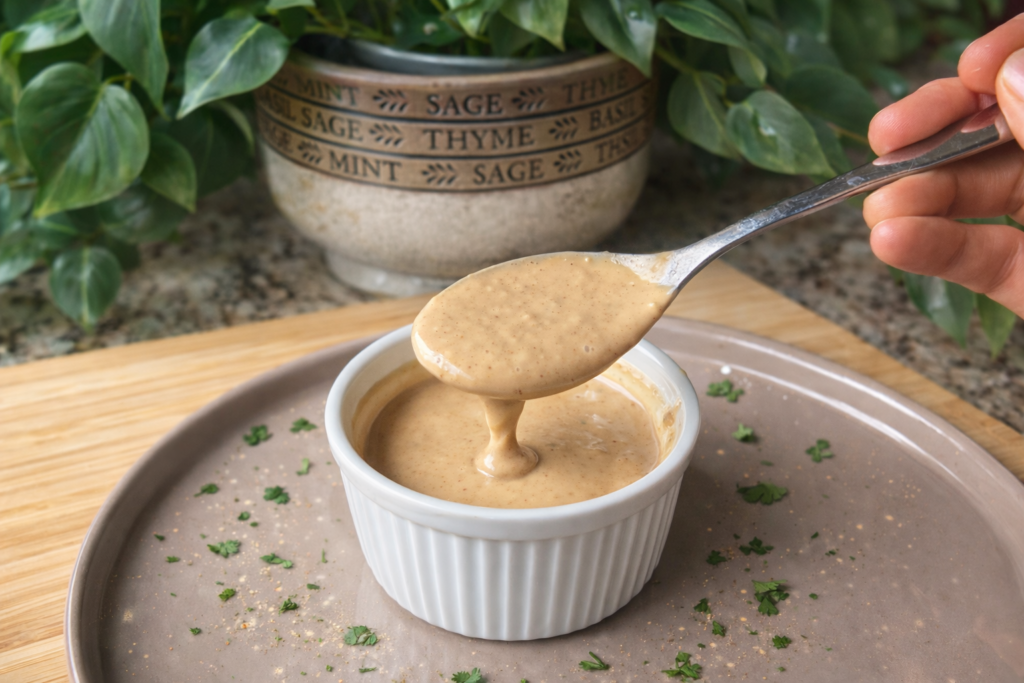
The Sauce That Makes Everything Better
There are a handful of things in the kitchen that are genuinely worth making from scratch rather than buying from a bottle. This peanut sauce is one of them. Not because the jarred stuff is terrible, but because once you taste this version you will understand immediately that there is no comparison.
This is a proper peanut sauce. Creamy and rich from peanut butter and coconut milk, savory from soy sauce and fish sauce, slightly sweet from mirin and a touch of maple syrup, bright from lime juice and rice wine vinegar, and with a low gentle heat from fresh jalapeño. It gets blended smooth at the end so the texture is silky and consistent all the way through. It is the kind of sauce that makes you want to dip everything into it.
The main context here is spring rolls, and this sauce was built for them. Fresh spring rolls, fried spring rolls, summer rolls, rice paper wraps. Any of those situations where you need something creamy and bold and a little complex to dip into. But the honest truth is this sauce works on a lot more than spring rolls. Noodles, grilled chicken, roasted vegetables, a spoon. It is one of those recipes that quietly becomes a staple once you have it in your fridge.
It comes together in about 20 minutes and makes enough to use across multiple meals throughout the week. Make it once and you will want it on everything.
What Makes This Sauce Different
Most peanut sauces are just peanut butter thinned out with something and seasoned. This one is different because it starts with a cooked base. Sesame oil, green onions, and jalapeño go into the pan first, and cooking them down before adding anything else builds a savory, aromatic foundation that you do not get from a cold-mix sauce. That five minutes of cooking is what separates this from something you could just shake in a jar.
Bone broth is the liquid base, which adds body and a depth of flavor that water or regular broth does not. The peanut butter and coconut milk go in together and get stirred until they are completely smooth and incorporated. Coconut milk adds creaminess and a subtle sweetness that softens the edges of the peanut butter without making the sauce taste like coconut.
The seasoning layer is where the complexity comes from. Hoisin brings sweetness and a slightly fermented depth. Fish sauce adds umami and saltiness that you cannot get from soy sauce alone. Soy sauce brings that familiar savory backbone. Mirin adds a mild sweetness and a little gloss. Rice wine vinegar brightens everything. Maple syrup balances the acidity. Lime juice at the very end adds a fresh hit that cuts through all the richness.
Blending at the end is not optional. It is what takes the sauce from a chunky, textured dip to something smooth and cohesive that coats evenly and feels professional. An immersion blender works. So does a regular blender. Either way, blend it fully until there are no visible pieces of green onion or jalapeño.
Let’s Talk Ingredients
2 tbsp sesame oil
The cooking fat and the first flavor in the sauce. Sesame oil has a distinct, nutty, toasted flavor that sets the tone for everything that follows. Use toasted sesame oil for the most flavor. Do not substitute with a neutral oil. The sesame is part of what makes this taste like more than just peanut sauce.
6 green onions, chopped
Cooked down in the sesame oil as the aromatic base. Green onions are milder and sweeter than white or yellow onion, which is what you want here. They soften quickly and add a gentle onion flavor that runs through the entire sauce once blended. Both the white and green parts go in.
1 jalapeño, chopped
Adds heat and a fresh, grassy flavor. One jalapeño gives you a mild to moderate heat in the finished sauce, especially after blending and diluting with the other ingredients. If you want more heat, leave the seeds in. If you want less, remove the seeds and membrane before chopping. If you are cooking for people who do not eat spicy food at all, you can halve the jalapeño or skip it entirely and add a small pinch of chili flakes instead.
1 1/2 cups bone broth
The liquid base of the sauce. Bone broth adds a richness and depth that regular chicken or vegetable broth does not have. It also adds protein, which is a small but worth-noting bonus. Chicken bone broth is the most neutral and works best here. If you do not have bone broth, regular low-sodium chicken broth works as a substitute, though the sauce will be slightly thinner in flavor.
1/2 cup peanut butter
The main event. Use a natural peanut butter with no added sugar or stabilizers. The kind where the oil separates on top and you stir it before using. Natural peanut butter has a cleaner, more pronounced peanut flavor than stabilized peanut butters like Jif or Skippy, which have a sweeter, more processed taste. Stir it well before measuring. Creamy rather than crunchy since the sauce gets blended.
1 cup coconut milk
Full-fat coconut milk from a can. Not coconut cream, not light coconut milk, and not the refrigerated coconut milk beverage. Canned full-fat coconut milk has the fat content and body to make the sauce properly creamy. Shake the can before opening since the fat and liquid separate. It thins the peanut butter out and adds a subtle sweetness and richness that rounds out the whole sauce.
2 tbsp hoisin sauce
A thick, sweet, slightly fermented Chinese sauce made from soybeans. It adds depth and a complexity that is hard to replicate with anything else. Most grocery stores carry it in the Asian foods aisle. It keeps in the fridge for a long time once opened. If you genuinely cannot find it, a small amount of oyster sauce plus a little extra maple syrup is the closest workaround, though the flavor will be different.
1 tbsp fish sauce
This is the ingredient people hesitate over and then wonder why they waited. Fish sauce smells intense straight from the bottle but in a sauce like this it adds an umami depth and saltiness that you cannot fake. It disappears into the sauce completely and you cannot taste fish. What you taste is a fuller, more savory, more complex flavor overall. If you are cooking for someone who is pescatarian or does not eat fish products, coconut aminos is a workable substitute.
2 tbsp soy sauce
Adds the familiar savory, salty backbone. Low-sodium soy sauce gives you more control over the final salt level since the fish sauce and hoisin are also contributing saltiness. Regular soy sauce works too, just taste before adding any extra salt at the end. Tamari is a good gluten-free substitute if that is a consideration.
2 tbsp mirin
A Japanese rice wine that is slightly sweet and adds a subtle gloss and depth to sauces. It is not the same as rice wine vinegar. Mirin is sweet and low in acidity. Rice wine vinegar is sour. They do different things and are not interchangeable. Mirin is widely available in most grocery stores and it is worth having in the fridge since it comes up in a lot of Asian-inspired recipes.
2 tbsp rice wine vinegar
Adds brightness and acidity to balance all the richness in the sauce. Mild enough that it does not overpower but present enough that you notice when it is missing. Do not substitute with white vinegar or apple cider vinegar, both of which are sharper and will throw the balance off.
1 tbsp maple syrup or sugar-free maple syrup
A small amount of sweetness that ties everything together and balances the acid and salt. Regular maple syrup or sugar-free both work. The amount is small enough that neither will make the sauce taste sweet, just balanced. If you are tracking sugar closely, the sugar-free version is an easy swap with no flavor difference at this quantity.
Juice of 1 lime
Goes in at the very end after blending. Fresh lime juice adds a brightness and citrus note that lifts the whole sauce and makes it taste finished. Do not add it before blending or before the sauce has simmered, because heat dulls citrus flavor. Squeeze it in right at the end, stir, taste, and adjust from there. One lime gives you roughly two tablespoons of juice.
Every Way to Use This Sauce
Spring rolls are the reason this sauce exists and they are still the best use of it. Fresh spring rolls with shrimp, vermicelli, lettuce, herbs, and rice paper. Fried spring rolls straight out of the oil. Vegetarian summer rolls packed with cucumber, avocado, and mango. All of them get better with this sauce on the side.
Beyond spring rolls, this sauce works as a noodle dressing. Cook some rice noodles or soba, toss them with this sauce while warm, and add whatever protein and vegetables you have. It is a 15-minute meal that tastes like it came from a Thai restaurant.
Grilled chicken thighs with this sauce spooned over the top is one of the better weeknight dinners you can make with minimal effort. The sauce also works as a marinade before grilling. The peanut butter and coconut milk create a coating that caramelizes on the grill and keeps the chicken moist.
Roasted vegetables, especially things like broccoli, cauliflower, sweet potato, and snap peas, are excellent dipped into this or drizzled with it. It turns a basic sheet pan of vegetables into something worth eating.
For storage, keep the sauce in a jar or airtight container in the fridge for up to a week. It will thicken as it chills because of the peanut butter and coconut milk. To thin it back out, stir in a small splash of warm water or broth a tablespoon at a time until it reaches the consistency you want. It does not need to be reheated, just brought back to a pourable texture.